Westminster Council rules for pavement flower displays
Posted on 13/10/2026
Westminster Council rules for pavement flower displays: a practical guide for shops, cafes, hotels and local businesses
If you are planning a pavement flower display in Westminster, you are probably trying to do two things at once: make the frontage look inviting and avoid upsetting the council, neighbours, or pedestrians. That sounds simple enough. In practice, it can get fiddly very quickly. Westminster Council rules for pavement flower displays sit at the point where visual merchandising, highway safety, and local licensing expectations all meet.
This guide breaks the topic down in plain English. You will learn what the rules are trying to achieve, how the process usually works, what councils tend to care about, and how to design a display that looks good without getting in the way. We will also cover common mistakes, best practice, and a practical checklist you can actually use before placing a single pot on the pavement.
Truth be told, most problems are avoidable with a bit of planning. The trouble usually starts when a display grows a little too wide, a planter blocks the natural line of travel, or the business assumes "it's just flowers" so nobody will mind. Let's face it, the pavement is still public space.
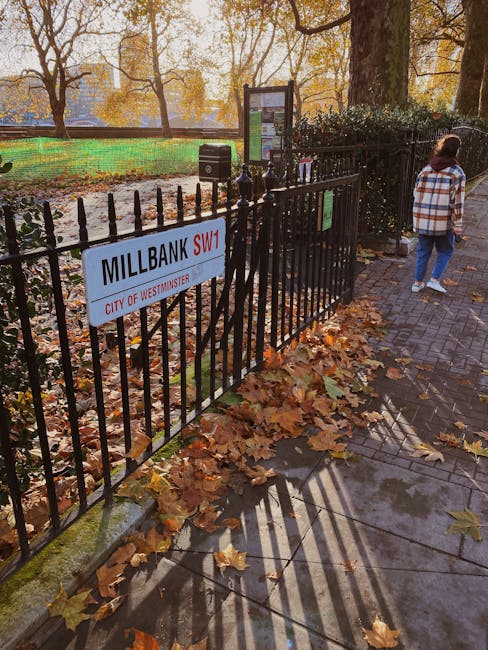
Why Westminster Council rules for pavement flower displays Matters
Pavement flower displays are one of those small details that can change the whole feel of a street. A neat line of planters outside a cafe on a grey London morning can soften the hard edges of traffic, steel, and stone. It can also improve footfall, create a more memorable entrance, and make a business feel cared for. But the same display can cause problems if it narrows the pavement too much or creates a hazard for people with pushchairs, wheelchairs, mobility aids, or visual impairments.
Westminster is a busy part of London. That matters. Pavements there are often already under pressure from passing traffic, delivery activity, outdoor seating, bins, signage, taxi loading, and heavy pedestrian flow. In that kind of environment, even a modest flower arrangement needs to be thought through carefully. A display that feels "small" from inside the shop can look very different once it is placed on a busy walkway at lunch time.
The council's concern is usually not the flowers themselves. It is the effect on public safety, accessibility, and the free movement of people. The best displays are the ones that feel natural and generous without making pedestrians weave around obstacles like they are doing an obstacle course before their coffee.
There is also a reputational angle. If a business looks tidy, considered, and cooperative, people notice. If a business creates clutter or appears to ignore local expectations, that stands out too. In a place like Westminster, where footfall is high and streets are closely watched, small details can carry more weight than you might expect.
Expert summary: A good pavement flower display should enhance the street, not compete with it. If it helps people move comfortably, looks stable, and respects the available width, you are already on the right track.
How Westminster Council rules for pavement flower displays Works
Although the exact permission route can vary depending on the type of display, the location, and what else is on the pavement, the underlying logic is fairly consistent. Westminster Council will want to know whether the proposed arrangement is safe, practical, and appropriate for the location. That usually means asking questions such as: How wide is the remaining pedestrian route? Will the display be fixed or movable? Could it blow over? Does it create a trip hazard? Does it interfere with access to nearby properties, crossings, or street furniture?
In many real-world cases, businesses treat this as a design-and-approval exercise rather than a quick decorative decision. You plan the layout, check the pavement conditions, think about foot traffic, and then make sure the setup fits within local expectations. Sometimes the display may be acceptable as part of a wider pavement arrangement; sometimes it may need to be reduced, repositioned, or simplified.
One useful way to think about it is this: the council is balancing two interests. First, the business wants a welcoming frontage. Second, the public needs an unobstructed, usable route. If those two things can coexist, the proposal is much easier to defend.
Practical details matter more than glamorous ones. For example, a display might look lovely at 8 a.m. when the street is quiet, but by 5 p.m. the pavement could be busier, the light lower, and the route less forgiving. A planter that is fine in theory can become irritating in practice. That is why measurements, placement, and stability count.
If your business already offers flowers or floral arrangements as part of a wider customer experience, it can help to tie the display into your brand rather than making it look like an afterthought. A coordinated frontage often feels more deliberate and, frankly, more trustworthy. For businesses that also handle flower orders, the presentation can reflect the same care that customers expect from your local florist in Charing Cross WC2 or from flower delivery in Charing Cross WC2 more generally.
What councils usually look at
- Clear pedestrian access and safe passing space
- Stability of pots, baskets, stands, or barriers
- Risk of obstruction to wheelchairs, buggies, or mobility aids
- Trip or collision hazards, especially at corners or narrow points
- Whether the display is tidy, well-maintained, and appropriate to the location
- Any effect on neighbouring businesses or residential entrances
- Whether the arrangement could be confused with unauthorised street furniture
Not every business will need the same level of formality. A small cluster of lightweight planters outside a shop is one thing. A more elaborate frontage with repeated floral units, signage, and outdoor trading space is another. The bigger and more permanent the footprint, the more carefully it usually needs to be handled.
Key Benefits and Practical Advantages
When done properly, pavement flower displays do more than "look nice." That may sound obvious, but it is worth saying because the practical benefits are real.
1. Better kerb appeal. Flowers soften hard street edges and make the front of a business feel welcoming. People often decide how they feel about a place before they have even opened the door.
2. A clearer brand signal. A thoughtful floral display tells people that attention has been paid to the details. That can be especially useful for hospitality venues, boutiques, salons, hotels, and premium retail.
3. A more pleasant street experience. In busy urban settings, a small amount of greenery can make the pavement feel less stark. It adds colour, texture, and a bit of warmth. Simple, but effective.
4. A better chance of avoiding complaints. If the display is properly considered, pedestrians are less likely to feel squeezed or inconvenienced. That reduces friction. Nobody wants a grumpy email about a planter that keeps nudging people off line.
5. Easier long-term maintenance. A well-designed display tends to be easier to water, prune, clean, and move. Poorly planned displays can become messy surprisingly quickly.
There is also a commercial angle worth mentioning. Businesses that appear orderly and well-run often benefit from that quiet sense of confidence. Customers may not consciously say, "Ah yes, compliant frontage design," but they do register the feeling that a business cares.
If your flowers are part of a broader seasonal presentation, it can help to choose products and colours that align with your wider offer. For example, businesses that run gift or celebration campaigns sometimes coordinate floral styling with best-selling flowers, summer flowers, or even flowers in a vase to keep the look controlled and polished.
Who This Is For and When It Makes Sense
Not every business in Westminster needs a pavement flower display. But for the right kind of premises, it can make a real difference. The most common users are independent retailers, cafes, restaurants, florists, hotels, salons, offices with guest-facing entrances, and hospitality venues that want a more elevated street presence.
This kind of display makes the most sense when the frontage is visible from foot traffic, the pavement has enough width, and the business wants to create a softer, more distinctive arrival point. It is also useful if you are trying to make a smaller unit feel more established. A neat floral display can do a lot of visual heavy lifting, especially on a narrow or otherwise plain frontage.
It may also suit you if:
- You already manage outdoor furniture or signage and want the frontage to feel coherent
- You have a strong seasonal identity and want the entrance to change with the year
- You are trying to attract passing customers without relying only on signage
- You want a more premium or boutique look
- You need the display to support a wider hospitality or retail atmosphere
On the other hand, if your pavement is tight, heavily used, or full of other street elements, you may need to be more cautious. In some locations, the smartest answer is not "How big can we go?" but "How little do we need to do to look good without causing a problem?" That is a more grown-up question, really.
For businesses that already sell flowers locally, the external presentation often needs to match the quality of what is inside. If customers are also browsing for flower shops in Charing Cross WC2 or arranging same-day flower delivery in Charing Cross WC2, the frontage becomes part of the trust signal.
Step-by-Step Guidance
If you want a practical way to approach Westminster Council rules for pavement flower displays, work through the process in order. It saves time and prevents those awkward last-minute "we've already bought the planters" conversations. Those are never fun.
Step 1: Measure the pavement properly
Start with the basics. Measure the full usable width, not just the bit that looks spacious in passing. Look for pinch points, lamp posts, street furniture, door swing areas, and any spots where the route narrows near corners or building edges.
It helps to measure at different times of day. A route that feels calm mid-morning may be busy at rush hour, especially near stations, hotels, or restaurant rows. If possible, stand outside and watch real pedestrian movement for a few minutes. You will spot things the tape measure will miss.
Step 2: Decide what the display is meant to do
Are you trying to create a decorative edge, mark an entrance, highlight a special event, or simply soften the frontage? The answer shapes the design. A display for a restaurant terrace should be different from a florist shop's doorway arrangement. Clarity at the start keeps the whole thing simpler.
Step 3: Choose stable, low-risk containers
Heavy, stable containers are usually safer than lightweight pieces that can tip in a breeze or get nudged by crowds. Avoid anything too tall, too top-heavy, or too easy to overturn. And yes, Westminster can get gusty in exposed spots. London weather likes to keep everyone honest.
Step 4: Keep a clear walking line
Your flowers should never force pedestrians into traffic or into a awkward shoulder-to-shoulder shuffle. Make sure the display sits outside the movement corridor rather than shrinking it. If in doubt, slimmer and neater is generally better than broad and ambitious.
Step 5: Check visibility and accessibility
Make sure the arrangement does not block sightlines, especially near crossings, entrances, and corners. Also think about users with lower eye height or mobility aids. A display that looks fine standing still can be a nuisance if it catches a wheelchair handle or a cane.
Step 6: Plan maintenance
Watering, deadheading, sweeping petals, replacing damaged plants, and keeping the base clean all matter. A display only looks polished if someone stays on top of it. Early summer pollen, spilled water, and trampled leaves can quickly make a tidy display look tired. It happens fast.
Step 7: Review the display after installation
Once the flowers are in place, step back and look at them from every angle. Walk past them. Open the door beside them. See how they feel from a passer-by's perspective. This is the bit businesses sometimes skip, and it is usually where the issues show up.
Simple rule: if a customer has to pause and think, "Am I meant to squeeze past this?" the display probably needs adjusting.
Expert Tips for Better Results
In our experience, the best pavement displays do not scream for attention. They feel intentional. That is a subtle difference, but it matters.
- Use repetition with restraint. A few matching planters often look calmer than a scattered mix of shapes and colours.
- Keep colour choices tied to the frontage. If your building already has strong stone or brick tones, softer planting can work well. Bright seasonal flowers can still work, but use them with purpose.
- Think in layers. A low base planting plus a slightly taller focal point can create depth without clutter.
- Choose hardy varieties. Pavement conditions are less forgiving than indoor displays. Wind, reflected heat, footfall, and dry spells all take a toll.
- Leave maintenance space. If staff cannot water, clean, or move the planters safely, the setup is too fiddly.
- Use the doorway as the focal point. Most pavement displays work best when they frame the entrance instead of blocking it.
One thing many people underestimate is how the display looks from a distance. A planter may seem lovely up close but just read as visual noise from the opposite side of the road. Step back. Look from twenty metres away. Does it still feel balanced? If not, trim it down a bit.
If flowers are part of your wider customer experience, you may also want the display to complement seasonal gift stock or special-occasion products. A frontage that subtly echoes your florist choice, luxury flowers, or any occasion range can feel much more coherent than a random mix of colours.
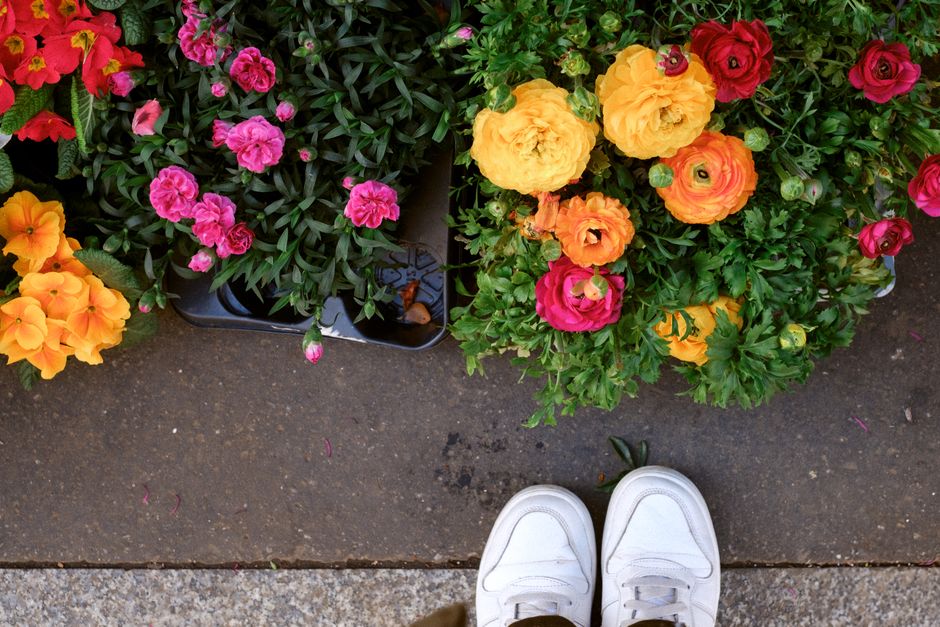
Common Mistakes to Avoid
Most issues with pavement flower displays are not dramatic. They are ordinary, avoidable mistakes that pile up.
- Assuming flowers are automatically low risk. They may be soft, but the containers, stands, and placement still matter.
- Blocking the natural walking line. This is the big one. If people have to detour, the display is too intrusive.
- Choosing containers that are too light. Wind and accidental knocks can move them more than you expect.
- Letting the display become scruffy. Wilted blooms, spilled soil, and stained bases make the frontage look neglected.
- Ignoring access needs. A display that works for one group but excludes another is a poor design choice.
- Overcomplicating the arrangement. More is not always better. Sometimes it is just more.
- Forgetting to check after rain, wind, or delivery activity. Conditions change, and so does risk.
There is also the common "we'll just put it out and see" approach. To be fair, that can work for a day or two in a quiet lane, but it is a weak strategy in a busy Westminster street. You want something that stands up in real conditions, not just in your imagination.
If you are already juggling other seasonal or operational details, such as delivery timing, celebration stock, or customer footfall, keep the flower display simple enough to manage well. A display that looks beautiful but becomes a daily chore will not stay beautiful for long. That is just life, really.
Tools, Resources and Recommendations
You do not need specialist kit to plan a sensible display, but a few practical tools make the job much easier.
- Measuring tape or laser measure for checking usable pavement width
- Camera or phone photos to review sightlines and spacing later
- Basic plan sketch showing containers, widths, doors, and walking route
- Watering tools that suit the setup without making the pavement wet or slippery
- Stable planters or baskets that are appropriate for outdoor use
- Maintenance schedule for watering, pruning, and cleaning
A simple weekly inspection routine can save a lot of trouble. Check for loosened pots, spills, dead flowers, broken stems, and anything that could catch someone's foot or attention in the wrong way. This is not glamorous work. It is just the bit that keeps a nice frontage from sliding into a messy one.
For businesses that want the display to match the tone of their floral offer, product selection matters too. Some shops prefer neutral and elegant looks using white flowers or purple arrangements. Others want a warmer street presence with yellow blooms or mixed seasonal colour. The best choice depends on the building, the street, and the mood you want people to feel when they arrive.
Law, Compliance, Standards, or Best Practice
While this article is not a legal opinion, the safest way to think about pavement flower displays in Westminster is through the lens of public safety, accessibility, and responsible use of shared space. Local authorities generally expect pavement use to preserve safe passage for pedestrians and avoid hazards. That means any display should be planned carefully, especially where footfall is heavy or the pavement is narrow.
Best practice usually includes:
- Keeping the route clear and easy to navigate
- Avoiding sharp edges or unstable bases
- Ensuring the display does not obstruct entrances or exits
- Being considerate of visually impaired pedestrians and wheelchair users
- Maintaining the display so it does not become damaged or messy
- Reviewing the setup when seasons, stock, or street conditions change
In a practical sense, that often means smaller, smarter displays outperform larger, looser ones. A tidy and proportionate arrangement tends to feel more acceptable than one that tries to dominate the pavement. Councils usually prefer clear, predictable layouts to experimental ones. Sensible, basically.
If you are unsure whether your display is likely to be acceptable, it is better to slow down and assess the space carefully rather than assume it will be fine. Westminster streets can vary a lot from one location to the next. What works beside one frontage may be too much just a few doors down.
Options, Methods, or Comparison Table
Different businesses take different approaches to pavement floral styling. Here is a simple comparison to help you decide what suits your frontage.
| Method | Best for | Advantages | Watch-outs |
|---|---|---|---|
| Small movable planters | Compact frontages and flexible displays | Easier to reposition, generally less intrusive | Can tip or shift if too light |
| Matching doorway baskets | Retail or hospitality entrances | Elegant, tidy, low visual clutter | Needs regular watering and upkeep |
| Seasonal floral clusters | Campaigns, launches, and events | High visual impact, easy to refresh | Can become messy if overdone |
| Linear frontage planting | Longer pavements with enough width | Creates a strong branded edge | Can reduce walking space if poorly sized |
| Minimal accent display | Narrow or busy pavements | Low risk, simple maintenance | Less dramatic from a distance |
There is no single "best" option. The right choice depends on your street, your maintenance capacity, and how much pavement space you actually have. If the pavement is narrow, minimal is often smarter. If the frontage is wider and calmer, you have more room to be expressive without creating friction.
Case Study or Real-World Example
Imagine a small cafe near a busy Westminster side street. The owner wants the entrance to feel warmer and more visible from the pavement. At first, the idea is to line the whole frontage with decorative pots and tall blooms. It sounds lovely in the shop, but once the manager stands outside with a tape measure, the reality is different. The pavement is already busy at commuter times, a bike rack sits nearby, and the doorway opens onto a tight corner.
Instead of forcing the original plan, the cafe scales back. It uses two stable planters to frame the entrance, keeps the walking line open, and adds a smaller seasonal arrangement that can be moved in bad weather. The flowers still create a welcoming effect, but the pavement remains easy to navigate. The result feels more confident, not less. That is the interesting part. Restriction can improve design.
A similar approach works well for a florist or gift shop in WC2 that wants a frontage aligned with its product range. A display that echoes the tone of the store, while leaving space for customers to pass and pause comfortably, usually performs better than an overbuilt spread. If the presentation is matched with services like next-day flower delivery in Charing Cross WC2 or carefully selected bouquet options, the whole experience feels more polished and dependable.
The little lesson here is simple: the nicest display is the one people do not have to think about. They just walk past, enjoy it, and carry on. Lovely.
Practical Checklist
Use this checklist before you place any flowers on the pavement.
- Have I measured the usable pavement width accurately?
- Will the display leave a clear, comfortable walking route?
- Are the planters stable and suitable for outdoor use?
- Could the display block access, visibility, or movement at any point?
- Will the arrangement stay safe in wind, rain, and busy footfall?
- Can staff easily water, clean, and maintain it?
- Does it look tidy from both close up and from across the street?
- Have I checked the display from the perspective of a wheelchair user or parent with a buggy?
- Does it fit the character of the building and the street?
- Will it still look acceptable when the weather changes or blooms fade?
If you can tick those boxes honestly, you are in much better shape. And if one or two are shaky, fix them before the display goes live. That small pause now can save a lot of headache later.
Get a free quote today and see how much you can save.
Conclusion
Westminster Council rules for pavement flower displays are really about balance. The best displays make a street feel alive and welcoming without taking over the pavement or creating avoidable risk. That is the sweet spot. A good floral frontage should feel like a natural part of the street, not a barrier that pedestrians have to negotiate.
If you plan carefully, measure properly, choose stable containers, and keep the display tidy, you will usually end up with something that supports your business rather than complicating it. And if you are ever unsure, a simpler arrangement is often the wiser one. Not thrilling, maybe. But reliable. And on a busy London street, reliability is underrated.
In the end, a well-placed flower display can do something very ordinary and very powerful: it can make people slow down, look up, and feel that the place has been cared for. That kind of first impression lingers.
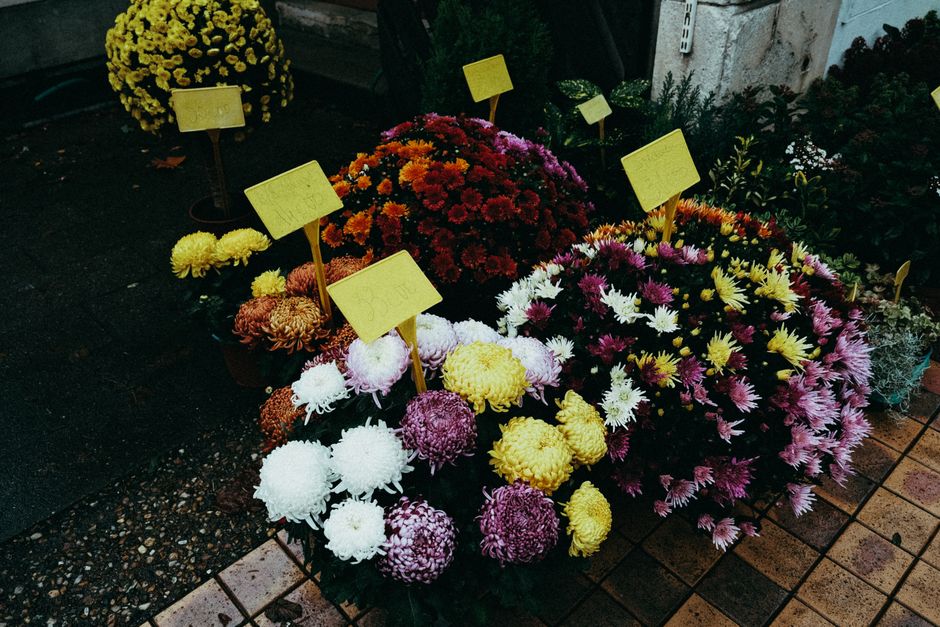
Frequently Asked Questions
Do I need permission for pavement flower displays in Westminster?
It depends on the size, location, and permanence of the display. Small, temporary decorative arrangements may be treated differently from larger or more fixed installations. The safest approach is to assume that anything taking up public pavement space needs careful checking first.
What counts as a pavement flower display?
It can include planters, baskets, tubs, standing floral arrangements, or decorative planting placed on the public footway outside a business. If it sits on the pavement rather than inside your premises, it may fall under local rules or expectations.
How much space should be left for pedestrians?
There is no one-size-fits-all answer here because the street width, footfall, and surrounding street furniture all matter. The key principle is simple: people should be able to pass safely and comfortably without detouring into traffic or squeezing past obstacles.
Are flowers safer than signs or furniture?
Not automatically. Flowers can still cause hazards if planters are unstable, the arrangement blocks the route, or the display makes the pavement feel crowded. Soft materials do not eliminate the need for good placement.
Can I use tall planters outside my shop?
You can only do that safely if the planters do not block sightlines, narrow the route too much, or create a tipping risk. Tall containers can look elegant, but they need more care than low, stable arrangements.
What is the best kind of display for a narrow pavement?
Smaller, lower, and more compact displays are usually the safest option. Narrow pavements are not the place for ambitious floral lines. A restrained arrangement near the entrance often works better than a full frontage display.
Do seasonal changes affect compliance?
Yes, they can. Wind, rain, leaf drop, and summer footfall can all change how a display behaves. What looks fine in spring may need a rethink in winter or during peak tourist season.
How often should a pavement flower display be checked?
Ideally, it should be checked regularly, and especially after bad weather, busy service periods, or any event that may have shifted the containers. A quick daily look is often enough for simpler displays, with a fuller weekly tidy-up.
What are the most common problems with pavement displays?
The biggest issues are obstruction, instability, poor maintenance, and blocking access for pedestrians or mobility users. A lot of complaints start with good intentions and end with one planter too many.
Can pavement flowers help my business attract more customers?
Yes, if they are done well. A neat and attractive frontage can improve curb appeal and make a business feel more welcoming. But the display has to look intentional, tidy, and in proportion to the space.
Should I match my floral display to my products or brand colours?
That is usually a good idea. Matching the display to your wider brand can make the frontage feel more coherent and premium. It does not need to be exact, just consistent in mood and quality.
What should I do if I am unsure whether my display is acceptable?
Slow down and review the setup carefully before installation. Measure the space, check access, and keep the arrangement simple. If something feels cramped or awkward, it probably needs adjusting. Small changes at the planning stage are much easier than fixing problems after the fact.